
I stared for a minute, contemplating the procedure I had just agreed to do for a colleague. A behavioral euthanasia. Earlier in my career, I had promised myself I would never perform such a procedure. Later that day, my colleague brought in a dog that she had poured her soul into. She had exhausted every option, specialist, medication, and training technique, only to be left with a companion animal that could not be trusted to be a companion and was instead unpredictably aggressive. Without any misgivings, I gave her and her dog, who was physically healthy and mentally terminally ill, the last gift I could: a good death. While I did not doubt that what I had done was right, the situation weighed on me, heavily.
Often, the things that fill our day to bursting—the extra appointments, emergencies, staff conflicts, client communications, and endless decisions—become the hardest part of our jobs. But it’s the ethical dilemmas that fill our hearts to bursting. That is, determining which correct choice is more right, or more often, which wrong choice is less wrong.
That’s probably why, later that week, when I was researching another case and came across a message on a veterinary forum mentioning the phrase “do no harm,” it scratched open a raw wound. The tears from earlier that week rose to the surface again; not in sadness, as you might expect, but in anger.
Once again, this summer, we will welcome thousands of new colleagues graduating into our professions, and as part of that ceremony, they will state a veterinarian’s or veterinary nurse’s/technician’s oath. Please notice that nowhere does any veterinary professional oath (WSAVA has 15 listed on its website) say anything about harm. In fact, the American Medical Association’s “Declaration of Professional Responsibility” does not say anything about harm. Let’s think about the impossible standard that “do no harm” creates!
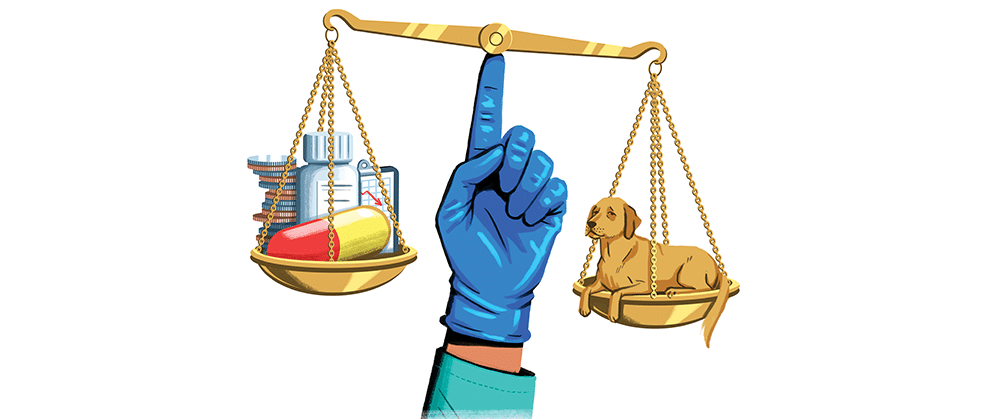
Every day as veterinarians, we balance choices, risk, benefits, logistics, finances, the needs of individuals versus populations, and many more factors to create medical plans that are the best for that day with the resources and abilities available. Every decision, every day, is a balance between doing harm and doing good. “Do no harm” is not in our oath because every day we simply need to do more good than harm and rest easily knowing we have done our part to protect public health, safeguard animal welfare, and continually improve. You will not be the same veterinary professional just a few years after you take that oath. Yes, sometimes following that oath is a much harder task than usual. But, as I did that week, you can be assured in the knowledge that in the end your bursting heart did the right thing.