
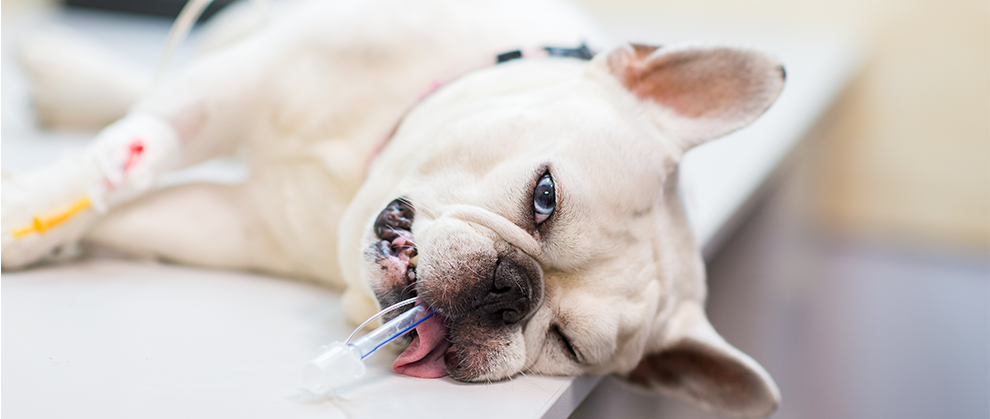
An online survey was distributed to 30,000-plus veterinary professionals (veterinarians and veterinary technicians) to gather data on the current perianesthesia protocols for brachycephalic dogs. Beyond documenting current perianesthesia protocols, researchers aimed to identify how clinical management deviates from published evidence and what future research will help this population of dogs.
Editor’s Note: This is an excerpt from Research Wrapped, a free monthly newsletter that collects the latest scientific research relevant to small animal veterinarians and pulls out practical takeaways. To be the first to receive this newsletter each month, subscribe here.
From 1,386 responses, researchers found that the management practices differed substantially between general practitioners and specialists as well as across various experience levels. Substantial variability was identified in previsit medications, antiemetic and prokinetic use, monitoring systems, preoxygenation, and recovery practices too. Thus, perianesthesia protocols for brachycephalic dogs are far from standardized. We spoke with Kirk Muñoz, DVM, MSc, PgCert BA, MRCVS, DACVAA, ACVAA Founding Fellow – Pain Management, cVMA, an assistant professor at The Ohio State University and a corresponding author of this study.
Q: What would you consider to be the primary takeaway of this study?
I think the biggest takeaway is that despite what we know about the elevated risks these patients face, there’s no consistency in how we manage them across the profession. We saw variability at nearly every stage, from previsit medications all the way through recovery and discharge. There were fundamental differences in approach between general practitioners and specialists, and even among specialists themselves. The data makes a strong case that we need consensus guidelines, not to be prescriptive, but to give practitioners an evidence-based framework they can adapt to their practice. Right now, clinicians are largely making these decisions in isolation, and the result is a mix of protocols that may or may not reflect what the literature supports.
Q: The respondents revealed great variance in regard to perianesthesia drug use and selection. Opioids were commonly used with a wide variability of selection, insinuating a lack of evidence-based guidance on optimal perianesthesia and sedation for this population. More than half of the respondents (53%) did not prescribe previsit anxiolytics (i.e., gabapentin, trazadone) despite the literature-proven importance of minimizing stress. Respondents reported limited use of intraoperative analgesics. And most did not administer sedatives during recovery. After the collection of this data, do you have any specific clinical recommendations for veterinarians regarding their perianesthesia drug choices for brachycephalic dogs?
I want to be careful here because one of the things this study highlights is that we don’t yet have the evidence to make definitive recommendations for every drug choice in this population, and that’s part of the problem. What I can say is that the data suggest we’re underutilizing some tools that have good evidence behind them. Previsit anxiolytics like trazodone and gabapentin are good examples. More than half of respondents weren’t prescribing them, but we know that reducing stress before the patient even arrives at the hospital can make a meaningful difference in how smoothly the rest of the anesthetic event goes, particularly for brachycephalic dogs where anxiety and excitement can worsen upper airway obstruction.
The opioid variability was also striking. Opioids were commonly used, which is great, but the selection was very variable. That tells me we need studies comparing specific opioids in this population, looking not just at analgesia but at their effects on sedation quality, airway tone, and the incidence of nausea, regurgitation, and vomiting, which are real concerns for these patients. I’d also point to the limited use of intraoperative analgesics and the fact that most respondents weren’t providing sedation during recovery. For brachycephalic dogs, a smooth and quiet recovery is critical, and appropriate sedation can help prevent the dysphoria and excitement that lead to airway emergencies in the postoperative period. However, these dogs must be closely monitored during the recovery period as well.
Editor’s Note: This article is an excerpt from the Research Wrapped monthly newsletter. Subscribe here for free.
Q: What results surrounding perianesthesia practices did you find most surprising?
The fact that some respondents reported no monitoring during premedication was eye-opening. These are patients that can obstruct at any point, and the premedication period, when they’re becoming sedated but haven’t been intubated, is arguably one of the highest-risk windows. The fact that 11% of clinicians weren’t routinely preoxygenating was also concerning given how well-supported preoxygenation is in the literature for delaying oxygen desaturation during airway manipulation.
But if I had to pick one thing that surprised me most, it was the limited use of antiemetic and prokinetic medications. Brachycephalic dogs are at increased risk for regurgitation and aspiration, and we have safe, effective drugs—like maropitant, ondansetron, cisapride, and metoclopramide—that can possibly reduce that risk. Yet many respondents weren’t incorporating them routinely. I think this represents a relatively simple intervention that could meaningfully improve safety for these patients, and it’s something clinicians could implement tomorrow without major changes to their workflow. Having said that, it is worthwhile noting that there is limited research in this area, especially in brachycephalic dogs, which makes it difficult to make specific recommendations for these cases.
The fasting time variability was also notable. We saw everything from very short to very prolonged fasting periods, and both extremes carry risks for this population. There’s an opportunity for clearer guidance there as well.
Q: The variability of the results suggests that future studies should analyze the routine use of antiemetic and prokinetic medications, optimal opioid selection with consideration to analgesia and sedation, realistic monitoring strategies, and the potential helpfulness of standardized checklists. Do you have any suggestions for future research to reduce morbidity and mortality of this population?
Several, actually. First, I think we need prospective studies comparing specific opioid protocols in brachycephalic dogs, not just for analgesic efficacy, but for their effects on sedation quality, airway dynamics, and gastrointestinal side effects like nausea, regurgitation, and vomiting. Second, we need data on the routine use of antiemetics and prokinetics in this population. Maropitant, ondansetron, cisapride, and metoclopramide are widely available, but we don’t have brachycephalic-specific data showing whether routine administration reduces aspiration events or improves outcomes.
I’d also like to see studies evaluating standardized checklists or protocols, similar to what’s been done in human anesthesia, to determine whether having a structured approach to brachycephalic perianesthesia actually reduces complication rates. And finally, I think we need realistic monitoring strategies. Not every practice has the same resources, so research that identifies which monitoring interventions provide the greatest safety benefit in resource-limited settings would be incredibly valuable for general practitioners managing these cases.
Editor’s Note: This article is an excerpt from the Research Wrapped monthly newsletter. Subscribe here for free.
Q: Is there anything you would like our readers to know that has not been mentioned?
I think the most important thing I’d want readers to take away is that this study isn’t meant to be critical of any individual practitioner or practice. The variability we documented reflects a gap in our profession’s collective guidance, not a failure of individual clinicians. People are doing their best with the information and resources available to them. What this study does is quantify where we are right now so that we can identify where to focus our efforts, whether that’s developing consensus guidelines, designing targeted research studies, or creating continuing education resources.
I’d also emphasize that brachycephalic dogs aren’t going away. Their popularity continues to grow, which means every veterinary professional, regardless of specialty or practice type, is going to encounter these patients. The more we can do to standardize and optimize their perianesthetic care, the better their outcomes will be. I hope this study serves as a starting point for those conversations.
Read the full study
A survey of perianesthetic management of brachycephalic dogs identifies wide variation across United States veterinary practices despite well-documented risks.
Crosby H, Seger C, Ballash G, et al. Am J Vet Res | doi:10.2460/ajvr.26.05.0196