
To take the CE quiz, click here.
This quiz is open until April 2028.
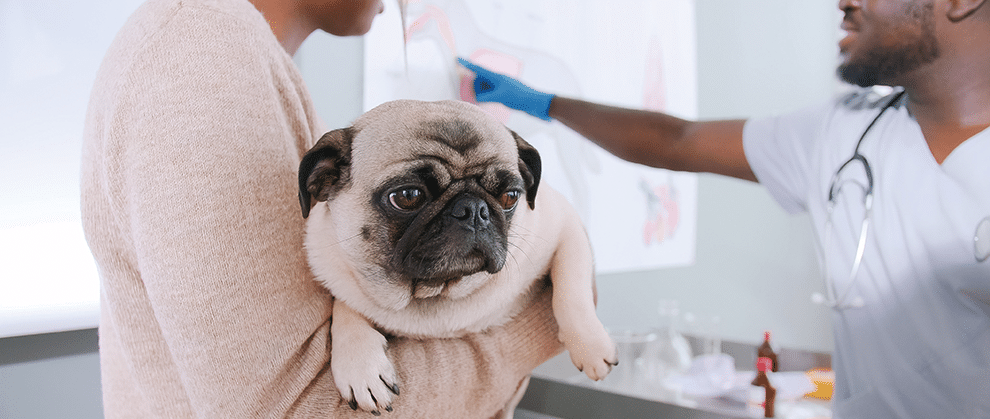
Brachycephalic dog breeds continue to rise in popularity despite well-documented health and welfare issues intrinsically linked to their extreme conformation. Although veterinary professionals often face ethical tensions between treating conformation-related disorders and enabling their perpetuation through breeding, we have the potential to play a critical societal role in breeding reform, guiding a shift toward more ethical, welfare-led breeding practices for brachycephalic dogs. This article explores how the veterinary team can effectively engage on this growing issue, including at an individual client level and at a societal level. Evidence for welfare-focused breeding strategies that prioritize animal health and welfare is appraised.
Take-Home Points
- Extreme brachycephalic conformations cause predictable, lifelong welfare harms that require proactive breeding reform rather than reactive veterinary care due to the consequences of such conformations.
- Veterinarians play a pivotal role in guiding breeders and registration organizations toward evidence-based, welfare-focused decisions.
- Functional grading schemes aid assessment of brachycephalic obstructive airway syndrome severity but must be applied ethically, advocating for breeding away from extreme brachycephaly.
- Outcrossing brachycephalic breeds offers a practical route to rapidly improve genetic diversity, phenotypic diversity, and consequent welfare status.
- Informed communication with breeders of brachycephalic dogs has the potential to help strengthen breeder motivation and commitment to change.
Brachycephalic breeds—notably, French bulldogs, pugs, and English bulldogs—continue to dominate demand in the global puppy market. However, their extreme conformational traits, including shortened muzzle, excessive skin folds, and short or screw tails, are linked to predictable, lifelong welfare harms. Veterinary teams are most often engaged in palliating these harms by “firefighting” the consequences of breeding decisions when brachycephalic patients present to their practices.
Due to their experience, expertise, and trusted advocacy, veterinarians are well placed to influence breeding decisions that reduce discomfort and pain. This article summarizes current evidence-based best practices for breeding, highlights welfare implications, and gives practical communication strategies for veterinarians working with owners and breeders.
Why Focus on Breeding?
Veterinarians in practice are likely to be faced with an increasing caseload of clinically and ethically challenging brachycephalic dogs, particularly as this population ages.1 Alongside these clinical responsibilities, veterinarians are likely to communicate with increasing numbers of clients interested in acquiring a brachycephalic dog.2
A reactive approach to brachycephalic health has been evidenced to lead to moral distress in some practicing veterinarians, who may feel conflicted when treating these patients, and even complicit in the harms inflicted upon them.3 Examples of ethical conflicts related to brachycephalic patients include veterinarians performing procedures for disorders that are a result of the dog’s inherent conformation, such as cesarean deliveries for bitches unable to whelp naturally (over 80% of English and French bulldogs)4-6 or performing multiple brachycephalic obstructive airway syndrome (BOAS) surgeries on dogs from the same breeder. The World Small Animal Veterinary Association Animal Welfare Guidelines Group recognizes the involvement of veterinarians when treating and facilitating reproduction of animals with extreme phenotypic traits as a “common moral problem” due to these traits being associated with significant welfare problems.7 Taking a proactive approach to improving breed health via encouraging and supporting welfare-led breeding decisions therefore has the potential to improve both animal and human wellbeing.
Most brachycephalic problems are conformation-driven, necessitating conformational changes to reduce their prevalence and impact on quality of life in future generations.8 As such, encouraging breeding decisions that achieve innately healthy conformations should be at the forefront of welfare-focused veterinarians’ minds when interacting with current or potential breeders of brachycephalic dogs.
Core Breeding Principles for Better Welfare
Prioritizing Animal Needs Over Human Wants
Although many initiatives aimed at improving brachycephalic welfare have been launched over the past decade, critical appraisal of their efficacy in driving meaningful change is needed. Evidence suggests that owners and breeders of brachycephalic breeds are highly motivated by their dog’s appearance, particularly their flat face, and may be reticent to markedly alter these cherished features.9,10 This is reflected in health initiatives that seek breeder buy-in by targeting clinical disease phenotypes without concurrently or primarily targeting the inherent conformational risk factors underlying them. Although breeders are crucial in producing the next generation of dogs, to drive meaningful, lasting change, promotion of activities that are “easier wins” for human wants should not be prioritized over activities that are “welfare wins” for animal needs.
The Role of Disorder Testing
In the United Kingdom, canine “health tests” (genetic or phenotypic screening tools to categorize disease status in breed populations, often to inform selection for breeding programs) have become a mainstay of pedigree dog breeding since the British Veterinary Association (BVA)/Kennel Club Hip Dysplasia Scheme launched in 1965. This approach has allowed breeders to preserve “breed purity” with selection of unaffected, carrier (where applicable), or least severely affected individuals for breeding within closed gene pools. Further approaches have been and should be undertaken to address other conformational changes that affect health and welfare.
BOAS is arguably the most high-profile health problem of brachycephalic breeds, with functional tests (e.g., exercise tolerance tests) to grade the presence or severity of BOAS being developed and increasingly used by breeders of brachycephalic dogs. For example, The Kennel Club/University of Cambridge Respiratory Function Grading Scheme (RFGS) is now licensed in at least 18 countries around the world, including countries in North America, via the Orthopedic Foundation for Animals (OFA).11 Veterinarian involvement in the RFGS was a recommendation of the BVA’s Breed to Breathe Campaign 10-point plan for veterinary practices.12
The RFGS provides a more objective phenotypic assessment of airway dysfunction and can generate data for epidemiologic monitoring of breed health (Box 1). Furthermore, it can provide a useful aid for decision-making with owners (e.g., if/when to elect treatment such as BOAS surgery) and monitoring postsurgical outcomes.
- Grade 0: Clinically normal (no signs of brachycephalic obstructive airway syndrome [BOAS], no abnormal respiratory noise)
- Grade 1: Mild BOAS (mild respiratory noise but no functional impairment)
- Grade 2: Moderate BOAS (respiratory noise and some functional impairment)
- Grade 3: Severe BOAS (significant functional impairment, often shows labored breathing even at rest)
The role of the RFGS in decision-making regarding breeding is more contentious.13 Data on the heritability of RFGS grade are as yet unavailable; thus, recommending breeding from lower-grade dogs on the assumption that their offspring will be less likely to be severely affected by BOAS is not yet supported by peer-reviewed data. The current OFA recommendations for breeding based on RFGS grade state that only grade 3 (severely affected) dogs are not recommended for breeding due to having the highest risk of producing puppies affected by BOAS.14 Mating combinations of grade 0 and grade 1 dogs or grade 2 and grade 1 dogs are considered to have the lowest risk of producing puppies affected by BOAS. Mating dogs both with grade 2 RFGS score is considered to increase the risk of producing puppies affected by BOAS.
The use of RFGS grade 2 dogs in breeding has been challenged, as pregnancy and whelping present additional respiratory challenges for bitches already affected with impaired respiratory function.12,15 Brachycephaly is a known predisposing factor for dystocia and cesarean deliveries in bitches, with impaired respiratory function adding to the already high anesthetic risk for the bitches and puppies born during cesarean delivery procedures.4,5 In the United Kingdom, the Legal Advisory Group on Extreme Conformation in Dogs has therefore assessed that it is good practice not to breed from a bitch with an RFGS grade of 2 or 3.16 Due to the low prevalence of grade 0 pugs and English and French bulldogs, combined with low genetic diversity,16,17 the approach of only using unaffected grade 1 dogs has not been advocated in these breeds, necessitating alternative approaches.
Tackling the Root Cause of Brachycephalic Health Issues
Although BOAS is often the disorder most associated with brachycephaly, the extreme conformation of brachycephalic dogs is well evidenced to predispose dogs to ocular,18,19 dermatologic,20 reproductive,4 spinal,21,22 and high ambient temperature–related illnesses.23 As such, focusing on selection against BOAS alone is unlikely to sufficiently improve the quality of life of brachycephalic dogs. Furthermore, with conformation the key factor underlying the severe disease burden of brachycephalics, breeding strategies to abate severe phenotypes are urgently required.
Outcrossing for Phenotypic and Genetic Health
Due to the limited phenotypic diversity of some extreme brachycephalic breeds, selecting dogs exhibiting conformations that pose lower risk for BOAS and other disorders is likely to be highly challenging without further limiting genetic diversity.17,18,24 Calls to use outcrossing as a tool to rapidly replenish both genetic and phenotypic diversity are increasing internationally.
For example, an outcrossing program for the French bulldog was initiated by the Finnish Kennel Club in 2023, where purebred French bulldogs are crossed with nonbrachycephalic breeds, including the American Staffordshire terrier, Jack Russell terrier, German mittelspitz, and papillon/phalène.25 Data on the health benefits of outcrossing are in their relative infancy but suggest that “retro pugs” (a cross between purebred pugs and Parson Russell terriers) perform better than purebred pugs in respiratory function tests.26 Emerging data suggest that pug crosses (puggles: pug × beagle; jugs: pug × Jack Russell terrier) exhibit more innately healthy conformations (e.g., longer muzzles, open nostrils, reduced facial wrinkling) and consequently markedly outperform purebred pugs across a broad range of health assessments.27
Veterinarians can support breeders who express a desire to outcross their brachycephalic breed to improve health and offer clinical support in shaping breeding programs (e.g., prebreeding RFGS screening for the brachycephalic parent). Recommending breeders to like-minded individuals, such as the U.S.-based Functional Dog Collaborative led by veterinarian and genetics expert Dr. Perry Hekman,28 could offer peer support outside of the standard kennel club systems.29
Given that the popularity of designer crossbreeds as a general concept (i.e., deliberate crosses between 2 or more purebred progenitor breeds, such as poodle crosses) has risen sharply in recent years, public acceptability of crossbreeding appears high.29 Recent data suggest the public prefers the appearance of (AI-generated) less extreme brachycephalic breeds— considering dogs with this more moderate phenotype healthier, more ethically bred, and more attractive—and that they would like to own them more than currently typical, or super-extreme, versions of these breeds.30
Veterinarians wishing to engage in conversations with breeders about outcrossing should be aware of both the benefits and limitations of this approach and the need for a considered, ideally evidence-based, judicious strategy to optimize the health of resultant litters. This includes selection of a breed or breeds to cross with and health testing requirements of each breed included in an outcrossing program. Recent research has identified negative owner perceptions of crossbreeding brachycephalic breeds with nonbrachycephalic breeds, such as introducing new health issues, unpredictable effects on temperament or appearance, and loss of “purity.”31,32 This view may be influenced by owners and breeders being accustomed to perceived consistency and predictability associated with purebred dogs that share relatively narrow gene pools; however, this approach has also led to predictable health harms.
Communicating With Breeders: Language That Works in Practice
Successful conversations can build positive relationships and, in the long term, change behavior. Communication should focus on balancing clear facts with empathy, understanding breeder values and experiences, and cocreating practical next steps.
Start by acknowledging good intentions. Many breeders love their dogs and want healthier puppies. A statement such as the following sets a foundation of respect rather than confrontation and makes change feel like a continuation of their values.
“I can see how much pride you take in your dogs and the work you put into your breeding program…”
From there, explain how specific aspects of conformation cause measurable harm. Use neutral, factual language, such as the following, rather than moralizing terms. This reduces defensiveness and opens the door to change.
“This skull shape narrows the airway and increases work of breathing…”
Show BOAS grading results for their dog and their dog’s breed population. Concrete numbers help make the risk tangible and help when discussing mate selection. Instead of lecturing, ask if they want knowledge. Motivational interviewing calls this “elicit–provide–elicit.” For example, consider the following question.
“Would it be helpful if I shared what some breeders are doing to reduce airway problems?”
If they are willing, discuss the rapid improvements in BOAS grading results that are achievable via outcrossing. This offers a positive, actionable alternative to current within-breed selection that traps dogs and breeders in a limited and innately unhealthy gene pool.
Use open-ended questions to ask about the breeder’s goals for the breed’s future, and align your recommendations with those goals (e.g., producing healthy show dogs or companion animals). Use reflective statements that help the breeder hear their own concerns and motivations, and explore discrepancy without feeling judged.
“You’re proud of the dogs you’ve bred, and at the same time it can be hard to see health challenges becoming more common.”
Elicit their willingness to change with prompts that express the breeder’s desire, ability, reasons, or need to breed healthier dogs with questions like the following.
“What benefits might there be, both for the dogs and for your program, if you selected for more open nostrils and longer muzzles?”
Cocreate a measurable plan to foster ownership of the improvements.
If a breeder proposes intentional matings likely to produce discomfort and pain, veterinarians should be prepared to refuse to sign health certificates or provide services that enable high-risk breeding (e.g., artificial insemination, elective cesarean deliveries) and to document the rationale in the client record. This is consistent with professional positions that oppose breeding for harmful traits.
Societal Actions
Revising Breed Standards to Encourage Innately Healthy Conformations
The purebred paradigm persists across the world, and alongside kennel clubs making amendments to breed registries to allow for new genetic material to enter and initiating outcross programs, what each individual breed “should” look like requires urgent revision to avoid encouraging innately unhealthy body shapes. Breed standards outline the blueprint for the ideal example of each breed. Although most influential on breeders involved in breed clubs and conformational showing, they set a public precedent for how breeds should look. Currently, many global breed standards for brachycephalic dogs and show-ring incentives continue to encourage and reward extreme conformations that perpetuate health risks or are insufficient in protecting against selection for these body shapes.
The BVA Animal Welfare Strategy outlines 3 levels at which veterinary professionals have opportunities to act on animal welfare issues: (1) through individual veterinarians, direct to animal keepers and owners; (2) through veterinary practices to the surrounding community; and (3) through professional associations to achieve political impact and change societal norms.33 In a survey of veterinarians, the alteration of breed standards was a common suggestion to reduce inherited disorders in dogs.34
Veterinarians have the potential to drive breed health improvements at a wider population level with action through professional associations by lobbying kennel clubs for change to harmful standards; for example, the revision of wording that explicitly encourages harmful exaggeration, such as the American Kennel Club pug breed standard, which states “the eyes are dark in color, very large, bold and prominent, globular in shape,” despite the known risks of this conformation to corneal ulceration, with a 19-fold increased risk compared with crossbreeds.18,19,35 Benchmarking against recent changes to breed standards by international kennel clubs—initiatives often led by veterinary professionals—could help drive reform.36,37
Prepurchase Conversations With Prospective Owners
Prospective puppy buyers have the power to shape the future demographics of the dog population through their breed choices, with supply from some breeding sources heavily influenced by demand. Prepurchase consultations (PPCs) have been advocated for as an activity to achieve this, with the 2023 PDSA Animal Wellbeing Report highlighting that 33% of veterinary professionals considered “lack of adequate prepurchase education regarding suitable pet choice” as among the top welfare issues they would choose to resolve tomorrow.38
PPCs could include outlining health problems associated with brachycephalic conformation and the subsequent financial and emotional burden for owners. Such information might discourage acquisition for some prospective owners. Recent research indicates that factors most likely to dissuade an owner from buying a brachycephalic dog were their tendency to have health problems (e.g., BOAS, eye and skin problems), veterinary costs, and negative impacts on their welfare (e.g., difficulties exercising and sleeping), with these factors particularly influential for current owners of nonbrachycephalic dogs.10 Creating resources for owners to take home (e.g., leaflets) or providing online resources to consult (termed an “information prescription”) could allow owners further time to consider their decisions and give veterinarians some reassurance on the quality of information their clients are consulting.39
For owners of extreme brachycephalic dogs who wish to acquire another brachycephalic dog, making efforts to direct them toward breeders who engage in health testing and providing information on how to recognize healthier conformations (e.g., open nostrils, longer muzzles, slimmer necks, less pronounced skin folding and eye protrusion) could contribute to higher demand for innately healthier dogs.10,18,24,40
Time constraints may dictate reactionary rather than preventive approaches to brachycephalic health for veterinarians who wish to engage in PPCs but experience conflicting demands on their time.3 As such, exploring options to engage wider members of the veterinary team (e.g., veterinary nurses) in taking on this role within a practice is a potential solution.41,42
Summary
Veterinary engagement with brachycephalic breeders and breeding organizations has the potential to shift incentives away from the current extreme conformational ideals and toward innately healthier dogs. Breeding change is a long game, but practical, evidence-based steps will reduce preventable discomfort and pain for animals while improving the professional lives of practicing veterinarians.
References
- Fawcett A, Barrs V, Awad M, et al. Consequences and management of canine brachycephaly in veterinary practice: perspectives from australian veterinarians and veterinary specialists. Animals (Basel). 2019;9(1):3. doi:10.3390/ani9010003
- Packer RMA, O’Neill DG, Fletcher F, Farnworth MJ. Come for the looks, stay for the personality? A mixed methods investigation of reacquisition and owner recommendation of Bulldogs, French Bulldogs and Pugs. PLoS One. 2020;15(8):e0237276. doi:10.1371/journal.pone.0237276
- Pound L, Farrow M, O’Neill D, Deane DJ, Packer RMA. ‘All I do is fight fires’: Qualitative exploration of UK veterinarians’ attitudes towards and experiences of pre-purchase consultations regarding brachycephalic dogs. Vet Rec. 2024;194(7):e3897. doi:10.1002/vetr.3897
- O’Neill DG, O’Sullivan AM, Manson EA, et al. Canine dystocia in 50 UK first-opinion emergency care veterinary practices: prevalence and risk factors. Vet Rec. 2017;181(4):88. doi:10.1136/vr.104108
- O’Neill DG, O’Sullivan AM, Manson EA, et al. Canine dystocia in 50 UK first-opinion emergency care veterinary practices: clinical management and outcomes. Vet Rec. 2019;184(13):409. doi:10.1136/vr.104944
- Evans KM, Adams VJ. Proportion of litters of purebred dogs born by caesarean section. J Small Anim Pract. 2010;51(2):113-118. doi:10.1111/j.1748-5827.2009.00902.x
- Ryan S, Bacon H, Endenburg N, et al. WSAVA animal welfare guidelines. J Small Anim Pract. 2019;60(5):E1-E46. doi:10.1111/jsap.12998
- O’Neill D, Pegram C, Crocker P, Brodbelt D, Church D, Packer R. Unravelling the health status of brachycephalic dogs in the UK using multivariable analysis. Sci Rep. 2020;10(1):17251. doi:10.1038/s41598-020-73088-y
- Packer RMA, Murphy D, Farnworth MJ. Purchasing popular purebreds: investigating the influence of breed-type on the pre-purchase motivations and behaviour of dog owners. Anim Welf. 2017;26(2):191-201. doi:10.7120/09627286.26.2.191
- Packer RMA, Wade A, Neufuss J. Nothing could put me off: assessing the prevalence and risk factors for perceptual barriers to improving the welfare of brachycephalic dogs. Pets. 2024;1(3):458-484. https://doi.org/10.3390/pets1030032
- Respiratory function grading scheme. The Royal Kennel Club. Accessed November 1, 2025. https://www.thekennelclub.org.uk/rfgscheme
- Breed to breathe. British Veterinary Association. Accessed November, 2022. https://www.bva.co.uk/take-action/breed-to-breathe-campaign
- Loeb J. Are brachy health tests breeding success? Vet Rec. 2023;192(7):265. doi:10.1002/vetr.2893
- Respiratory function. Orthopedic Foundation for Animals. Accessed November 1, 2025. https://ofa.org/diseases/rfgs
- Lopate C. Reproductive physiology of canine pregnancy and parturition and conditions of the periparturient period. In: Lopate C, ed. Management of Pregnant and Neonatal Dogs, Cats, and Exotic Pets. Wiley-Blackwell; 2012:25-41.
- Legal advisory group on extreme conformation in dogs. UK Centre for Animal Law. Accessed September 24, 2023. https://www.alaw.org.uk/companion-animals/extreme-dog-conformation
- Pedersen NC, Pooch AS, Liu H. A genetic assessment of the English bulldog. Canine Genet Epidemiol. 2016;3:6. doi:10.1186/s40575-016-0036-y
- Packer RMA, Hendricks A, Burn CC. Impact of facial conformation on canine health: corneal ulceration. PloS One. 2015;10(5):e0123827. doi:10.1371/journal.pone.0123827
- O’Neill DG, Lee MM, Brodbelt DC, Church DB, Sanchez RF. Corneal ulcerative disease in dogs under primary veterinary care in England: epidemiology and clinical management. Canine Genet Epidemiol. 2017;4:5. doi:10.1186/s40575-017-0045-5
- O’NeillI DG, Rowe D, Brodbelt DC, Pegram C, Hendricks A. Ironing out the wrinkles and folds in the epidemiology of skin fold dermatitis in dog breeds in the UK. Sci Rep. 2022;12(1):10553. doi:10.1038/s41598-022-14483-5
- Ryan R, Gutierrez-Quintana R, Ter Haar G, De Decker S. Prevalence of thoracic vertebral malformations in French bulldogs, Pugs and English bulldogs with and without associated neurological deficits. Vet J. 2017;221:25-29. doi:10.1016/j.tvjl.2017.01.018
- De Decker S, Rohdin C, Gutierrez-Quintana R. Vertebral and spinal malformations in small brachycephalic dog breeds: Current knowledge and remaining questions. Vet J. 2024;304:106095. doi:10.1016/j.tvjl.2024.106095
- Hall EJ, Carter AJ, O’Neill DG. Incidence and risk factors for heat-related illness (heatstroke) in UK dogs under primary veterinary care in 2016. Sci Rep. 2020;10(1):9128. doi:10.1038/s41598-020-66015-8
- Packer RMA, Hendricks A, Tivers MS, Burn CC. Impact of facial conformation on canine health: brachycephalic obstructive airway syndrome. PLoS One. 2015;10(10):e0137496. doi:10.1371/journal.pone.0137496
- The Finnish Kennel Club accepted separate cross breeding projects for Cavalier King Charles Spaniels and French Bulldogs. Finnish Kennel Club. June 20, 2023. Accessed November 1, 2025. https://www.kennelliitto.fi/en/about-us/news/finnish-kennel-club-accepted-separate-cross-breeding-projects-cavalier-king-charles-spaniels-and-french-bulldogs
- Bartels A, Martin V, Bidoli E, et al. Brachycephalic problems of pugs relevant to animal welfare. Anim Welf. 2015;24(3):327-333. doi:10.7120/09627286.24.3.327
- Youens E, O’Neill D, Belshaw Z, Tivers MS, Neufuss J, Packer RMA. A solution right under our nose? Exploring health implications and public demand for brachycephalic ‘designer’ outcrosses. In press.
- The functional dog collaborative. The Functional Dog Collaborative. Accessed November 1, 2025. https://functionalbreeding.org
- O’Neill DG, McMillan KM, Church DB, Brodbelt DC. Dog breeds and conformations in the UK in 2019: VetCompass canine demography and some consequent welfare implications. PLoS One. 2023;18(7):e0288081. doi:10.1371/journal.pone.0288081
- Youens E, O’Neill DG, Belshaw Z, et al. Beauty versus the beast: The UK public prefers less-extreme body shapes in brachycephalic dog breeds. Vet Rec. 2025:197(6):e5671. doi:10.1002/vetr.5671
- Youens E, O’Neill D, Belshaw Z, Neufuss J, Tivers MS, Packer RMA. “You could get the best of both breeds or the worst of both”: UK public attitudes towards crossbreeding in dogs – with a specific focus on brachycephalic dogs. PLoS One. 2026;21(1):e0336661. doi:10.1371/journal.pone.0336661
- Morrill K, Hekman J, Li X, et al. Ancestry-inclusive dog genomics challenges popular breed stereotypes. Science. 2022;376(6592):eabk0639. doi:10.1126/science.abk0639
- Vets speaking up for animal welfare: BVA animal welfare strategy. British Veterinary Association. February 2016. Accessed February 9, 2026. http://www.bva.co.uk/uploadedFiles/Content/News,_campaigns_and_policies/Policies/Ethics_and_welfare/BVA-animal-welfare-strategy-feb-2016.pdf
- Farrow T, Keown AJ, Farnworth MJ. An exploration of attitudes towards pedigree dogs and their disorders as expressed by a sample of companion animal veterinarians in New Zealand. N Z Vet J. 2014;62(5):267-273. doi:10.1080/00480169.2014.902340
- The pug dog club of America illustrated breed standard. American Kennel Club. November 1, 2025. https://www.akc.org/wp-content/uploads/2021/07/Pug-dog-Study-Guide.pdf
- Bateson P. Independent Inquiry Into Dog Breeding. Bateson; 2010.
- FECAVA. Dutch prohibition of the breeding of dogs with too short muzzles. Accessed 1 November, 2025. https://www.fecava.org/news-and-events/news/dutch-prohibition-of-the-breeding-of-dogs-with-too-short-muzzles
- PDSA Animal Wellbeing (PAW) Report 2023. The People’s Dispensary for Sick Animals. May 2023. Accessed February 9, 2026. https://www.pdsa.org.uk/media/13976/pdsa-paw-report-2023.pdf
- Kogan LR, Schoenfeld-Tacher R, Gould L, Viera AR, Hellyer PW. Providing an information prescription in veterinary medical clinics: a pilot study. J Med Libr Assoc. 2014;102(1):41-46. doi:10.3163/1536-5050.102.1.008
- Liu N-C, Troconis EL, Kalmar L, et al. Conformational risk factors of brachycephalic obstructive airway syndrome (BOAS) in pugs, French bulldogs, and bulldogs. PLoS One. 2017;12(8):e0181928. doi:10.1371/journal.pone.0181928
- Wild S. Veterinary nurse clinics – opportunities and obstacles. Veterinary Nursing Journal. 2017;32(4):118-120. https://doi.org/10.1080/17415349.2017.1289826
- Yeates J. The role of the veterinary nurse in animal welfare. Veterinary Nursing Journal. 2014;29(7):250-251. https://doi.org/10.1111/vnj.12160
CE Quiz
This article has been submitted for RACE approval for 1 hour of continuing education credit and will be opened for enrollment upon approval. To receive credit, take the test at vetfolio.com. Free registration is required. Questions and answers online may differ from those below. Tests are valid for 2 years from the date of approval.
1. Which Respiratory Function Grading Scheme (RFGS) grade(s) is/are considered acceptable for breeding bitches?
a. Grade 0 only
b. Grades 0 and 1 only
c. Grades 0, 1, and 2
d. Any grade, provided the sire has a lower RFGS grade
2. There is currently strong peer-reviewed evidence demonstrating that breeding dogs with lower RFGS grades consistently results in offspring with less severe brachycephalic obstructive airway syndrome (BOAS).
a. True
b. False
3. Which communication technique is recommended when discussing breeding practices with brachycephalic breeders?
a. Emphasizing ethical violations using direct language
b. Avoiding discussion of BOAS grading results to minimize defensiveness
c. Using motivational interviewing strategies such as the “elicit–provide–elicit” approach
d. Advising breeders to immediately cease all breeding
4. Which factor represents a major barrier to breeding reform in brachycephalic dogs?
a. Breeders’ and owners’ strong preference for flat-faced appearance traits
b. Limited availability of genetic testing technologies for brachycephaly-related disorders
c. Lack of international kennel club cooperation
d. Insufficient veterinary expertise in conformation-related disorders
5. Which strategy is most likely to rapidly improve genetic and phenotypic diversity in brachycephalic breeds?
a. Increasing the use of prebreeding health screening
b. Selecting breeding dogs with the least extreme conformation within existing breed populations
c. Outcrossing brachycephalic breeds with nonbrachycephalic breeds
d. Implementing stricter enforcement of existing breed standards by kennel clubs